





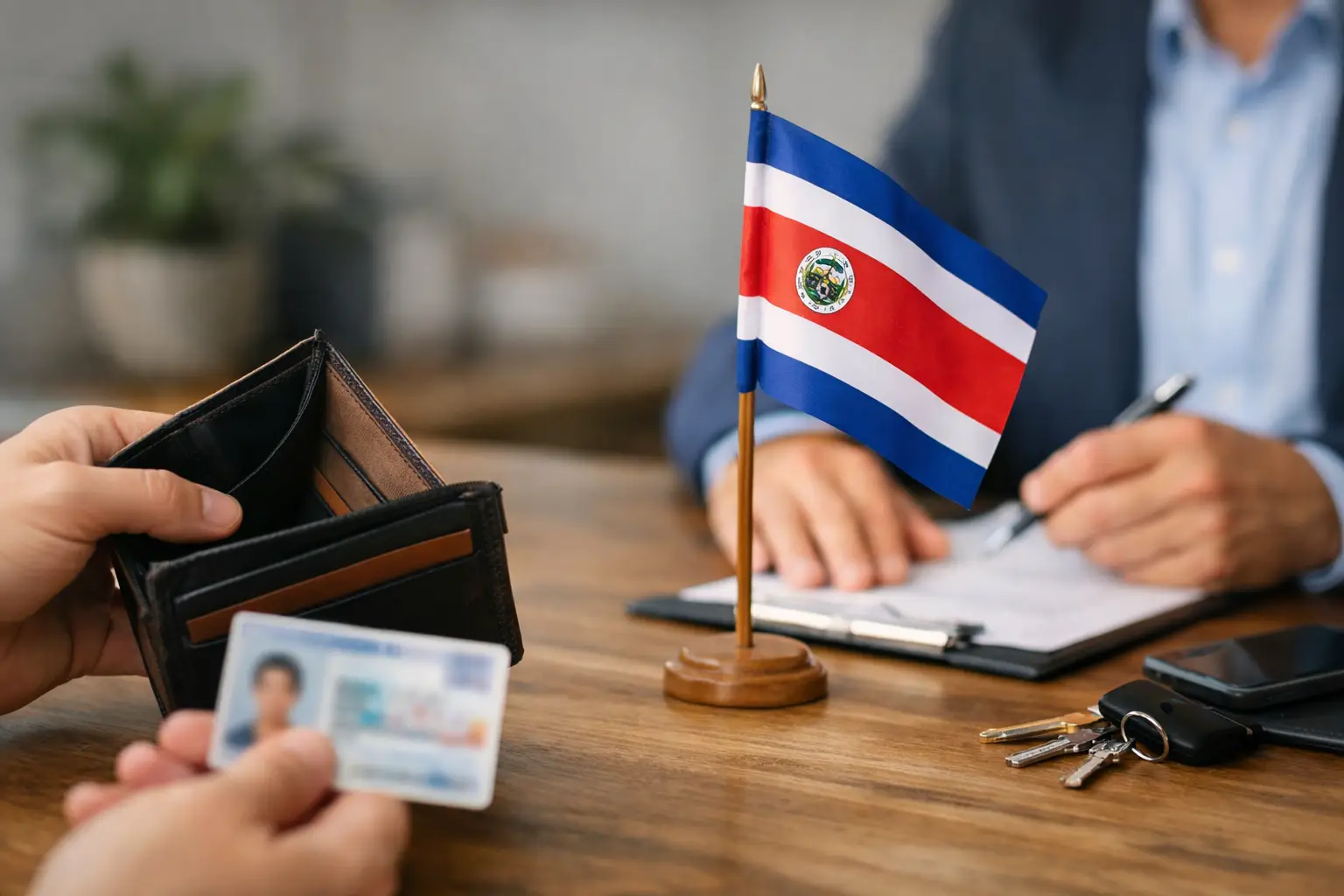
How to Replace a Lost Cedula in Costa Rica
A missing cédula can turn an ordinary errand into a stressful day. You may need it to visit a bank, pick up a prescription, complete a government process, or prove your legal residency. The good news is that knowing how to replace lost cedula documentation in Costa Rica makes the situation far more manageable - especially when you act promptly and keep your residency records organized.
For most foreign residents, the card commonly called a cédula is actually the DIMEX, or Documento de Identidad Migratorio para Extranjeros. It is the identification card issued to legal residents by Costa Rica’s immigration authorities. The process below is intended for DIMEX holders, not Costa Rican citizens replacing a national cédula through the Civil Registry.
First, confirm what was lost
Before beginning any replacement process, make sure you know which document is missing. Foreign residents often carry several identification documents: a passport, a DIMEX card, a Costa Rican driver’s license, and perhaps a Caja card. Each is replaced through a different office or institution.
If your DIMEX is lost, stolen, damaged, or no longer readable, you will generally need to request a replacement through the current immigration card issuance channel. The exact location and appointment method can change, so do not rely on an old online forum post or a friend’s experience from several years ago. Immigration procedures, payment methods, and appointment availability can change without much notice.
If you have lost your passport as well as your DIMEX, address the passport issue first with your embassy or consulate. You may need a valid travel document before completing parts of the DIMEX replacement process.
What to do immediately after losing your DIMEX
A lost card does not automatically cancel your residency, but it does leave you without the most practical proof of that status. Take a few sensible steps before your appointment.
If you believe the card was stolen, file a report with the appropriate Costa Rican authority as soon as possible. A theft or loss report may be requested as part of the replacement file, and it also creates a record if someone attempts to misuse your identification. Ask for a copy or receipt of the report and keep it with your other documents.
Next, look for a clear copy or photo of the front and back of your missing DIMEX. A copy is not a replacement for the physical card, but it can help you provide your DIMEX number, expiration date, and residency category when completing forms or speaking with an institution. If you do not have a copy, review prior immigration paperwork, bank records, insurance enrollment documents, or correspondence from your residency application.
It is also wise to notify organizations where the card is regularly used if you are concerned about misuse. Depending on your situation, that might include your bank, employer, insurance provider, or a trusted legal representative. Do not send a copy of your passport or residency records by unsecured email unless you know exactly who is receiving it and why.
How to replace a lost cedula: the usual process
The replacement process typically involves confirming your status, paying the required fees, and appearing through the authorized card issuance process. In many cases, the service may be coordinated through a designated bank or immigration service location, but the correct channel depends on current government procedures and your individual case.
1. Check that your residency is still current
Start by confirming whether your DIMEX was valid when it was lost. If the card is close to expiration, you may need a renewal rather than a simple replacement. This distinction matters because a replacement card generally reproduces an active residency record, while a renewal may require additional documentation, updated photographs or biometrics, and proof that you continue to meet the requirements for your residency category.
If your residency has expired, do not assume a lost-card appointment will solve the problem. You may need to address the expired status first. Residents who have been outside Costa Rica for an extended period or whose underlying residency circumstances have changed should seek individualized guidance before submitting anything.
2. Verify the current appointment and payment requirements
Before paying a fee or traveling to an office, verify the current replacement instructions directly through the appropriate official channel or with a qualified Costa Rican residency professional. Ask where the replacement is processed, whether an appointment is required, which payment receipts must be presented, and whether the card will be issued the same day or collected later.
This is where small mistakes can create unnecessary delays. A payment made under the wrong concept, an outdated form, or an appointment booked for the wrong service can mean starting over. Requirements may differ based on whether the card was lost, stolen, damaged, or never received after approval.
3. Prepare the documents you are likely to need
Requirements can vary, but a replacement request commonly calls for the following items:
- Your valid passport, plus a copy of the biographical page and relevant entry or visa pages if requested
- Proof of payment for the applicable replacement and issuance fees
- A police report or loss declaration when the card was stolen or when the issuing authority requests one
- A copy of the missing DIMEX, if available, or accurate details such as its number and expiration date
- Your appointment confirmation and any current forms required by the issuing office
Bring originals and copies. Even when an office says it has your information on file, having organized copies can prevent a simple visit from becoming a second trip. Keep payment receipts flat, legible, and separate from your passport so they are easy to present.
4. Attend the appointment in person
Most identity-card replacement processes require the resident to appear in person. You may need to provide a photograph, signature, or biometric information. Arrive early, bring your documents in a folder, and expect that wait times can vary.
Ask before leaving whether you will receive the card immediately, receive a receipt, or need to return for pickup. If you receive a receipt, ask what it proves and what it does not. Some institutions may accept it temporarily, while others may insist on seeing the physical DIMEX card. Do not assume a receipt will work for banking, travel, driving, or other identification purposes.
When a replacement is not the right request
A lost card is not always a straightforward replacement matter. If your DIMEX has expired, contains incorrect information, reflects an outdated marital status, or was issued under a residency category that has changed, your case may require a different procedure.
For example, a permanent resident whose card has expired may be dealing with renewal requirements, not merely a replacement. A temporary resident who has changed employers, moved from investor to pensionado status, or needs to update personal data may need additional review. The same is true if your card was never delivered after an earlier application or renewal.
This is why it helps to review your immigration history before booking an appointment. The fastest option is not always the correct one, and correcting an error after submitting paperwork can take more time than preparing the right file at the outset.
Protect yourself while you wait for the new card
Keep a copy of your passport and the replacement receipt with you, but store the originals securely. If you are traveling within Costa Rica, carry your passport unless a professional has confirmed another document is sufficient for your situation. For international travel, your passport remains the key travel document, but you should understand how an absent or expired DIMEX could affect your reentry plans.
Avoid paying unofficial “fixers” who promise a faster card without a transparent explanation of the process, receipts, and authority to act on your behalf. Costa Rican immigration paperwork can feel unfamiliar, which makes residents more vulnerable to expensive shortcuts and misinformation. A legitimate professional should clearly explain what service is being provided, what government fees apply, and what documents you will receive.
For residents who want experienced support with DIMEX replacements, renewals, and related immigration questions, ARCR can help clarify the appropriate path before a small document problem becomes a larger administrative one.
A lost card is inconvenient, but it is usually solvable. Save clear copies of your residency documents once the new DIMEX arrives, keep your contact information current, and treat the replacement as a useful reminder that organized records make life in Costa Rica much easier.