





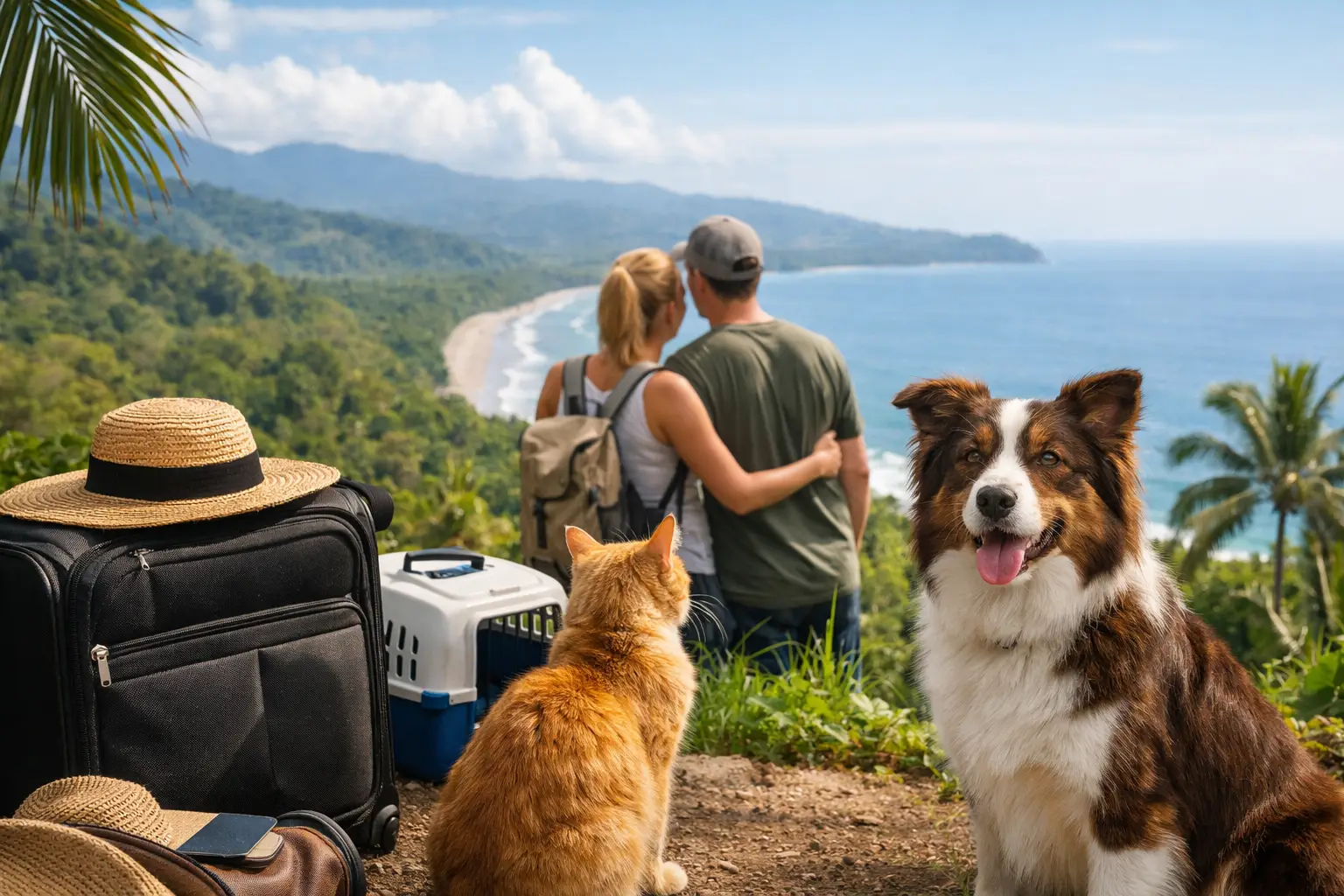
Moving With Pets to Costa Rica
If your dog has never missed a family road trip, or your cat already treats every suitcase like a personal invitation, moving with pets to Costa Rica is probably non-negotiable. The good news is that plenty of people make the move successfully every year. The less comforting part is that pet travel is one of those areas where small mistakes can create expensive delays, denied boarding, or a very stressful arrival.
The process is manageable when you start early and keep every detail organized. Costa Rica has import requirements for pets, airlines have their own rules, and your veterinarian may need time to complete forms, vaccines, and health certificates in the correct window. What surprises many families is that the hardest part is often not Costa Rica itself. It is coordinating the timing between your vet, the airline, and the travel date.
What to know before moving with pets to Costa Rica
Costa Rica generally allows dogs and cats to enter with the proper veterinary documentation, but that does not mean every case is simple. Requirements can change, airline policies can tighten during hot weather, and some breeds face transport restrictions depending on the carrier. If you are moving with an older pet, a short-snouted breed, or an animal with anxiety or medical needs, you will need a more careful plan.
Start with a realistic look at your pet's health and temperament. A calm, healthy dog may travel well in cargo or as checked transport, while an elderly cat with respiratory issues may need a very different approach. This is one of those situations where "possible" and "advisable" are not always the same thing.
It also helps to decide early whether your pet will travel with you on your initial move or arrive later with a pet transportation service. Some families prefer to keep everyone together. Others find that separating the pet move from their own travel makes it easier to manage housing, airport transfers, and settling in.
The paperwork matters more than most people expect
For most pet owners, the key documents are proof of current rabies vaccination and an official health certificate completed within the required timeframe before travel. The exact timing matters. If the certificate is issued too early, it may not be accepted. If a vaccine record is incomplete or inconsistent, the airline may stop the trip before you ever leave the US.
You should also expect to gather your pet's full vaccination history, parasite treatment information if requested, and identification details such as breed, age, sex, and microchip number if one has been implanted. A microchip is not always the issue that blocks entry, but it is still a smart safeguard, especially during an international move involving airports, transfers, and temporary housing.
This is where many people lose time. Your regular vet may be excellent clinically but may not handle international pet travel paperwork often. That can lead to forms being filled out incorrectly or too casually. Ask directly whether the clinic has experience preparing export documents for pets traveling internationally. If not, you may want to work with a USDA-accredited veterinarian or a clinic that routinely handles travel certificates.
Airline rules can shape the entire plan
When people think about moving with pets to Costa Rica, they often focus first on government requirements. In practice, airline policy can be the bigger constraint. Each carrier may have its own standards for kennel size, breed restrictions, seasonal heat embargoes, cabin pet limits, check-in times, and approved routes.
A small dog or cat may be eligible for in-cabin travel, but space is limited and must usually be reserved well in advance. Larger pets often need to fly in the cargo hold or as manifested cargo, depending on the airline. That difference affects pricing, paperwork, airport procedures, and even which airports you can use.
Direct flights are usually worth prioritizing if you can get one. Every connection adds another opportunity for delay, mishandling, or prolonged time in a crate. If a layover is unavoidable, pay close attention to total travel time, airport climate, and transfer procedures. A cheaper itinerary is not always the better choice when your pet is involved.
Breed also matters. Brachycephalic, or short-nosed, breeds such as pugs, bulldogs, and some Persian cats may face stricter airline rules because of increased respiratory risk during travel. If your pet falls into that category, confirm the airline's current policy before you make any nonrefundable plans.
Timing your move reduces avoidable stress
The easiest pet moves are usually the ones planned backward from the departure date. Once your flight is selected, line up the vet appointments, paperwork review, and crate training schedule around it. Waiting until the final two weeks often creates a scramble, especially if your veterinarian needs to order records, update vaccines, or correct errors.
Crate training deserves more attention than it usually gets. If your pet only sees the crate on moving day, the trip starts with panic. If the crate has been part of daily life for several weeks, with bedding, treats, and calm positive exposure, the travel day is often much smoother. For cats, even short sessions in the carrier can make a real difference. For dogs, practice with increasing time in the crate helps build tolerance.
You should also think through arrival logistics before departure. Where will your pet relieve itself after landing? How long is the drive to your first home or hotel? Does your temporary housing accept pets, and are there size or breed limits? These details seem small until you land after a long travel day with an anxious animal and no immediate plan.
Preparing for arrival in Costa Rica
Arriving in Costa Rica with a pet is usually straightforward when your documents are in order, but you should still expect inspection and questions from authorities. Keep originals and copies of all veterinary records in an organized folder, and have digital backups on your phone or email as a backup measure.
Once you are through the airport, your focus shifts from entry to adjustment. Even confident pets can react strongly to the new climate, sounds, and routines. Costa Rica's heat and humidity may be a major change, especially for animals coming from colder parts of the US or Canada. Give them time to acclimate, keep water available, and avoid long outdoor activity during the hottest part of the day.
Local veterinary care is available in many parts of Costa Rica, but the level of access varies by region. If you are moving to a more rural area, identify a nearby vet clinic before you need one. This is especially important if your pet takes medication, has chronic health issues, or may need emergency support.
Housing, communities, and everyday life with pets
The move does not end at the airport. One of the most overlooked parts of moving with pets to Costa Rica is finding housing that truly works for both you and your animal. A property may be labeled pet-friendly but still have practical problems, such as no fenced yard, nearby traffic, limited shade, or rules about noise and common areas.
Condo and gated community rules can be stricter than expected. Some have weight limits, limits on the number of pets, or requirements about leashes and use of shared green space. Renters should ask for pet terms in writing, not just verbal approval. If you are buying, review HOA-style community rules before you commit.
Climate and wildlife are also part of the adjustment. Flea, tick, and parasite prevention may need to be more consistent than what you used in the US. Some dogs need time to learn not to chase unfamiliar wildlife, and outdoor cats face more risks than many owners anticipate. It is wise to assume that your pet will need closer supervision at first, not more freedom.
When professional help is worth it
There are situations where handling everything yourself makes sense. If you have one healthy pet, a direct flight, flexible timing, and a vet who knows international paperwork, the process may be very manageable. But if you are juggling residency planning, household shipping, property searches, and multiple animals, the cost of a mistake can quickly exceed the cost of good guidance.
This is why many relocating families work with experienced support providers for the broader move and, when needed, specialized pet transport professionals for the pet travel itself. Trusted relocation guidance can help you coordinate the bigger picture so you are not solving airline issues, document timing, and housing questions in isolation. For many new residents, having one reliable source of information reduces both stress and risk.
Costa Rica is a welcoming place for pet owners, and many expats build a very happy life here with their dogs and cats beside them. The key is to treat pet travel as a serious part of the relocation plan, not a last-minute errand. A little extra preparation now can spare your pet a hard trip and help your new life begin on steadier ground.