





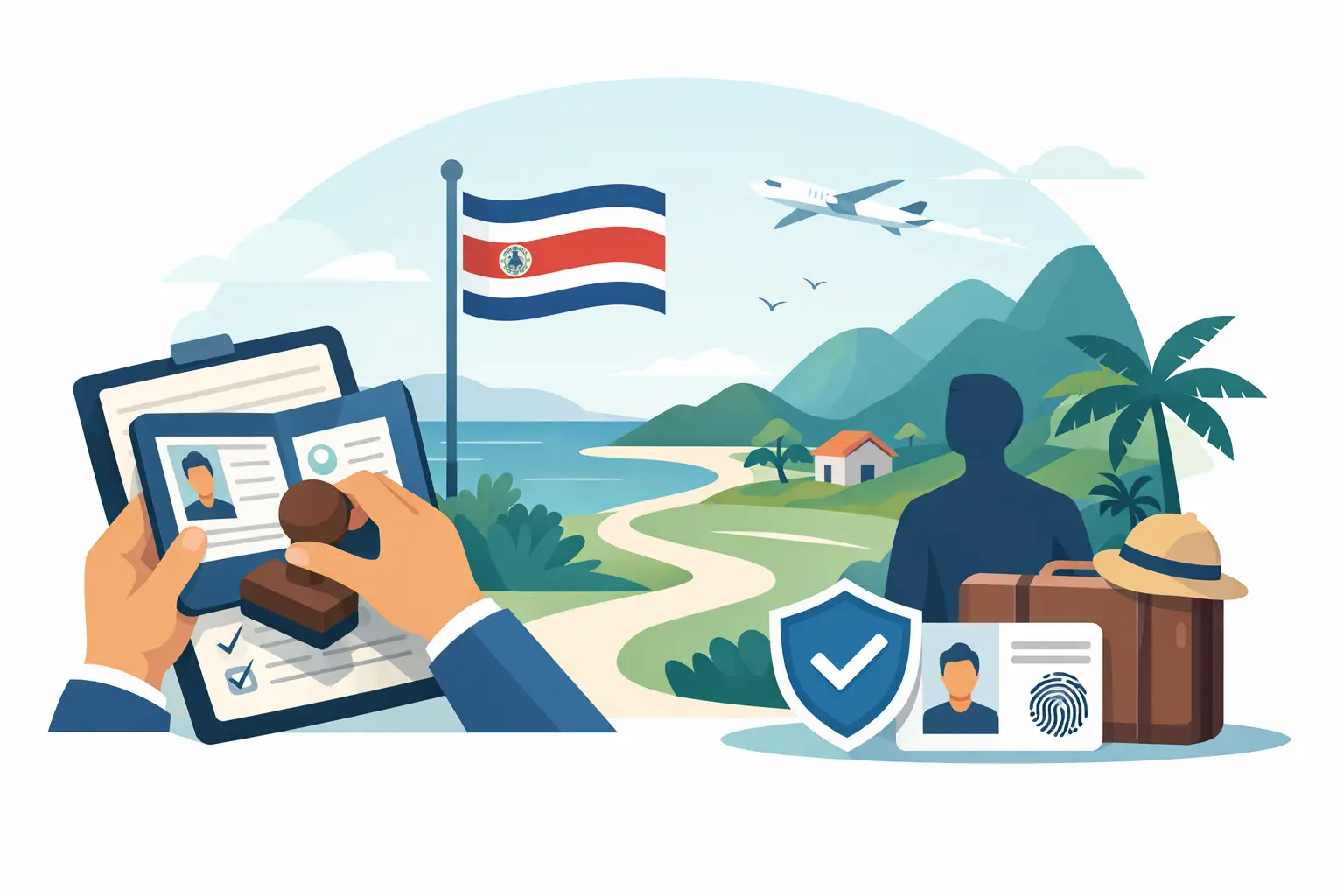
How to Get Costa Rica Residency
If you're seriously researching how to get Costa Rica residency, you're probably past the daydream stage. You may already be comparing neighborhoods, pricing out healthcare, or figuring out whether your income, pension, or investments qualify. That is exactly when the process starts to feel real - and when good planning matters most.
Costa Rica offers several legal pathways to residency, but the right route depends on your circumstances, your timeline, and how much administrative complexity you want to handle yourself. The broad idea is simple: choose the category that fits, gather the required documents, submit the application correctly, and complete the local follow-through. In practice, the details can make the difference between a smooth case and months of avoidable delays.
How to get Costa Rica residency: start with the right category
One of the biggest mistakes applicants make is assuming there is one standard residency path for everyone. There isn't. Costa Rica residency is category-based, and each option has its own eligibility rules, financial requirements, supporting documents, and long-term implications.
For many retirees, Pensionado residency is the most straightforward fit. This category is generally designed for applicants with a qualifying lifetime pension or retirement income that meets the minimum threshold set by immigration authorities. If your income comes from Social Security, a government pension, or another permanent retirement source, this may be the logical first category to review.
Rentista residency is often used by people who do not have a qualifying pension but can show stable income or make a qualifying bank deposit under the current rules. This path can work well for self-funded early retirees, some remote workers, and households with strong financial reserves. It is useful, but it also requires careful attention to the exact financial evidence accepted by immigration.
Investor residency may make sense if you plan to place capital into qualifying assets or business activity in Costa Rica. This route appeals to people who want residency tied to a real commitment in the country, whether through property, a business structure, or another approved investment. The key issue here is not just investing money, but documenting that investment in a way immigration will recognize.
There are also family-based options, including residency through marriage to a Costa Rican citizen or through close family relationships in certain cases. These categories can be favorable, but they still involve documentation, legal review, and local filing requirements.
What documents do you usually need?
No matter which category you choose, document preparation is where many applications slow down. Costa Rican immigration does not just want information. It wants the right documents, in the right format, properly translated, authenticated when required, and still valid at the time of filing.
Most applicants should expect to provide a birth certificate, a police clearance or criminal background certificate from the relevant jurisdiction, a copy of their passport, passport-style photos, and proof that they meet the financial or family criteria for the category they are using. Depending on the case, you may also need marriage certificates, pension letters, bank documentation, corporate records, or proof of investment.
This is where timing matters. Many official documents have limited validity windows. If you order them too early, they may expire before filing. If you order them too late, your move can stall while you wait. Translation is another common issue. Costa Rica generally requires official Spanish translations for foreign-language documents, and the standard of translation matters.
Applicants are often surprised by how small document problems can create major delays. A name mismatch, an outdated certificate, missing authentication, or incomplete financial proof can stop a file from moving forward. That is why many people choose guided support before submitting anything.
The application process in practical terms
Once you've identified the right residency category and gathered the required paperwork, the next phase is filing and follow-through. This is the part people often underestimate.
The application itself must be prepared according to current immigration requirements. That means forms, supporting evidence, translations, government fees, and legal presentation all need to line up. Requirements can shift, and what worked for one applicant a year ago may not be the correct approach now.
After submission, there may be a waiting period while immigration reviews the case. During that time, authorities can request clarifications or additional documents. A well-prepared file tends to reduce this risk, but it does not remove it entirely. Immigration processing is not always fast, and applicants should plan with patience rather than assume a quick approval.
Approval is also not the final step. Once residency is granted, there are local requirements to complete, which may include registration with the Costa Rican social security system, obtaining your DIMEX residency card, and staying current on renewals or category-specific obligations. In other words, getting approved is a major milestone, but settling your legal status in Costa Rica is a continuing administrative process.
How to get Costa Rica residency without costly mistakes
The most expensive errors are not always dramatic. More often, they are quiet problems that drag the process out: choosing the wrong category, relying on outdated advice, submitting incomplete documents, or misunderstanding what counts as acceptable proof.
Another common issue is treating immigration as a purely paperwork-based task when it is really part legal process, part bureaucratic process, and part local systems navigation. Residency often connects to other steps in Costa Rica, including healthcare enrollment, identification documents, and practical matters like licensing and insurance. If those pieces are handled out of order, your move can feel harder than it needs to.
There is also the scam factor. People relocating internationally are often vulnerable to bad advice, fake shortcuts, or unqualified intermediaries who promise quick approvals. Costa Rica has many reputable professionals, but it also has enough misinformation that caution is warranted. If someone guarantees an easy result, promises special access, or seems vague about legal procedure, that is a reason to pause.
A dependable process usually looks less flashy. It involves current legal guidance, clear document review, realistic timelines, and support from people who can explain not just what to file, but why a specific step matters.
Should you apply on your own or get help?
It depends on your tolerance for risk, paperwork, and follow-up. Some applicants are comfortable managing international document collection, translation logistics, government submissions, and local procedural changes on their own. If you are detail-oriented, have time, and are prepared for setbacks, that may be workable.
For many people, though, residency is happening alongside a major life move. They are selling property, coordinating shipping, managing finances, or helping a spouse and children transition. In that situation, getting professional guidance is less about convenience alone and more about reducing avoidable mistakes.
Support can be especially valuable if your case is not perfectly simple, if your documents come from multiple countries, if your financial structure is unusual, or if you want help beyond the application itself. A service-oriented organization with local experience can often help connect the immigration process with other essentials of settling in Costa Rica. That continuity matters once approval arrives and real life begins.
For people who want that kind of guided approach, ARCR offers residency support and related relocation services through https://arcr.cr, with practical help designed for foreign residents who want clear direction and trusted local assistance.
What timeline should you expect?
This is one of the hardest questions to answer with precision because processing times can vary. Category, application quality, document readiness, and immigration workload all affect the pace. Some applicants spend more time preparing documents than they do waiting after filing. Others file quickly but face delays because something needs correction.
The better approach is to build a realistic runway. If you know you want to live in Costa Rica, start early. Confirm which category fits your situation before collecting documents. Check current requirements before paying for certifications or translations. Think in terms of orderly preparation rather than last-minute submission.
That same mindset helps after approval. Residency comes with responsibilities, and staying in good standing means paying attention to renewals, local registrations, and any category-specific obligations tied to your status.
The best first step
If you're still figuring out how to get Costa Rica residency, the smartest first move is not filling out forms at random. It is confirming which residency category truly fits your finances, family situation, and long-term plans.
Once that piece is clear, everything else becomes more manageable. You can collect the correct documents, avoid wasted effort, and move forward with a better sense of timing. Costa Rica residency is very achievable for many applicants, but it tends to go best when the process is treated with care from the start.
A move like this should feel exciting, not confusing. The right guidance won't remove every step, but it can make each one easier to understand and much easier to trust.