





When Do Residency Cards Expire in Costa Rica?
If you are looking at the date on your Costa Rican DIMEX and wondering, “when do residency cards expire?” the answer depends on the type of residency you hold. More importantly, an expiring card is not always the same thing as losing your legal resident status. Knowing the difference can save you from unnecessary stress, last-minute appointments, and problems with everyday tasks such as banking, driving, or accessing public services.
Your DIMEX card and your residency are related, but different
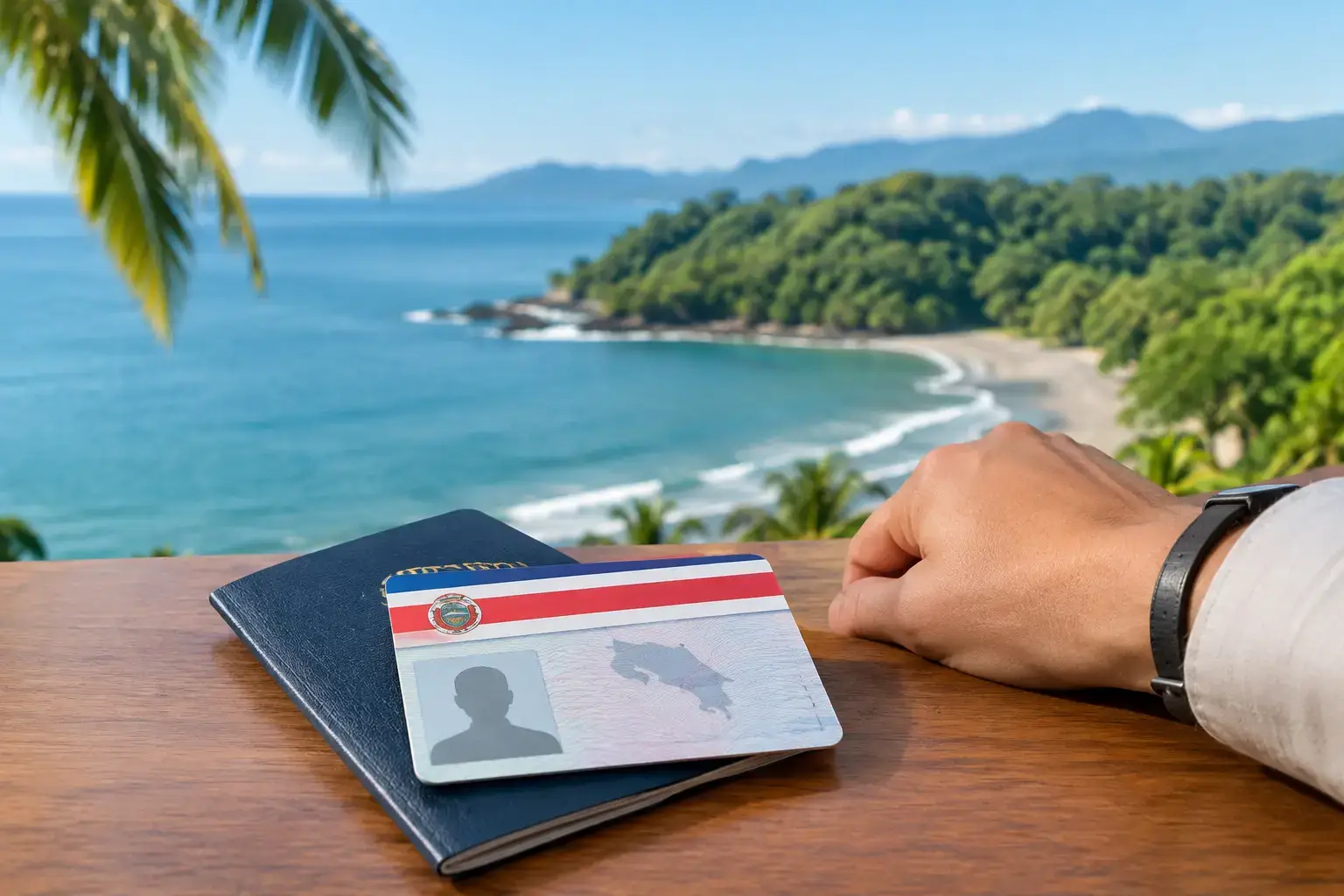
The DIMEX is the identification document issued to foreign residents in Costa Rica. It is the card you present when an institution needs proof of your residency, and it includes your name, identification number, immigration category, and expiration date.
Your legal immigration status is the authorization granted by Costa Rica's immigration authorities. The DIMEX is the physical document that proves that status. Both need attention, but they do not always follow exactly the same renewal process.
For example, a permanent resident may remain a permanent resident even if the physical DIMEX card has expired. However, an expired card can still create real problems. A bank, insurance provider, employer, government office, or service provider may not accept it as valid identification. Temporary residents face an added concern because their immigration category itself generally must be renewed and supported by current documentation.
When do residency cards expire for each category?
The expiration date printed on your DIMEX is the date to watch first. The validity period can vary according to your immigration category, the decision issued in your case, and current immigration procedures.
Temporary residency cards
Temporary residency is commonly granted to retirees, rentistas, investors, executives, professionals, and certain family members. A temporary resident's DIMEX is often issued for a limited period, frequently one or two years. The exact period should be confirmed on the card and in the immigration resolution for your case.
Renewing temporary residency is more than replacing an ID card. You may need to show that you still meet the basis for your category. A pensioner, for instance, may need current proof of qualifying pension income. An investor may need to demonstrate that the qualifying investment remains in place. Requirements can change, and documents from outside Costa Rica may need apostilles, legalization, or certified translation.
Because of that, temporary residents should not wait for the card to expire before preparing. Collecting a new foreign background check, income documentation, or civil record can take longer than expected, especially when documents must be obtained from the United States, Canada, or another country.
Permanent residency cards
Permanent residency is generally available after qualifying time as a temporary resident or through a qualifying Costa Rican family relationship. The physical DIMEX card for permanent residents commonly has a longer validity period, often up to 10 years.
A card expiration date does not necessarily mean permanent residency has been canceled. Still, the expired card should be renewed promptly. Your DIMEX is central to daily life in Costa Rica, and letting it lapse can make routine transactions much harder than they need to be.
Permanent residents should also remember that permanent status comes with ongoing obligations. Immigration rules may require residents to maintain certain ties to Costa Rica, including entering the country within the required period. The rules that apply to your situation should be reviewed before you spend extended time abroad.
Special-category residents
Costa Rica also grants immigration permissions under special categories, which can include students, volunteers, researchers, religious workers, dependents, and other groups. These cards often have shorter or category-specific validity periods. Some are tied to a school, organization, employment arrangement, or family connection.
If your special-category circumstances have changed, do not assume a simple card renewal will be available. A change in school enrollment, employer, marital status, or sponsoring organization may require a different immigration filing.
Why an expired DIMEX can cause practical trouble
It is easy to think of a residency card as something you only show at immigration. In reality, it is used throughout Costa Rican life. Once the card is expired, you may encounter delays or refusals when trying to complete tasks that require current identification.
An expired DIMEX can affect bank transactions, access to insurance, vehicle or property paperwork, social security matters, and some driver’s license processes. It can also be inconvenient when you need to prove your resident status while traveling or dealing with a government office.
The impact varies. Some institutions may accept a receipt showing that your renewal is underway, while others may insist on a current card. That is why early renewal is the safer approach. It gives you time to address a missing document or administrative issue before an expired ID begins interfering with your routine.
Start preparing before the expiration date
A practical rule is to begin reviewing your renewal needs about three months before your DIMEX expires. This does not mean every renewal can be completed immediately, but it gives you a working window to confirm requirements, schedule appointments, and gather documents.
First, check the expiration date on the card itself. Then identify whether you need only a DIMEX replacement or a full immigration renewal. A permanent resident replacing an expired card may follow a different path from a temporary resident renewing the underlying category.
Next, make sure your passport is valid and your personal information is current. If you have changed your address, marital status, passport, or qualifying source of income or investment, those changes may need to be addressed as part of the process.
Finally, keep copies of your current DIMEX, passport, immigration resolution, and renewal receipts. These documents are useful if a bank, employer, or government office asks for clarification while your new card is being processed.
Do not confuse a DIMEX renewal with a Costa Rican cédula
Foreign residents receive a DIMEX, not the standard Costa Rican cédula issued to citizens. You may hear people use the word “cédula” casually when referring to a resident ID, but the documents and procedures are not identical.
Using the correct term matters when asking for help or making an appointment. Saying that you need to renew your DIMEX clearly identifies the resident identification document involved. If you are renewing temporary residency, be prepared to explain that you also need to renew the immigration category behind it.
What if your residency card has already expired?
Do not panic, but do not ignore it. An expired card is best handled quickly, particularly if you are a temporary resident. Gather your current documents, confirm your immigration category, and find out whether you need a card renewal, an immigration renewal, or both.
Avoid relying on advice meant for another person's category. One resident may have a straightforward permanent DIMEX renewal, while another may need updated income evidence, translated records, or a more detailed filing. The date on the card tells part of the story, not all of it.
If you have been outside Costa Rica for a lengthy period, have changed your qualifying circumstances, or are uncertain about your status, professional guidance is especially valuable. A small misunderstanding can lead to delays that are much more difficult to correct after the fact.
A practical next step before your date approaches
Put your DIMEX expiration date on your calendar with a reminder at least 90 days in advance. At that point, review the category listed on your card and verify the current requirements for your particular renewal. ARCR can help residents understand the process, organize the required documentation, and move forward with attorney-backed support so an expiring card does not become an avoidable disruption to life in Costa Rica.