





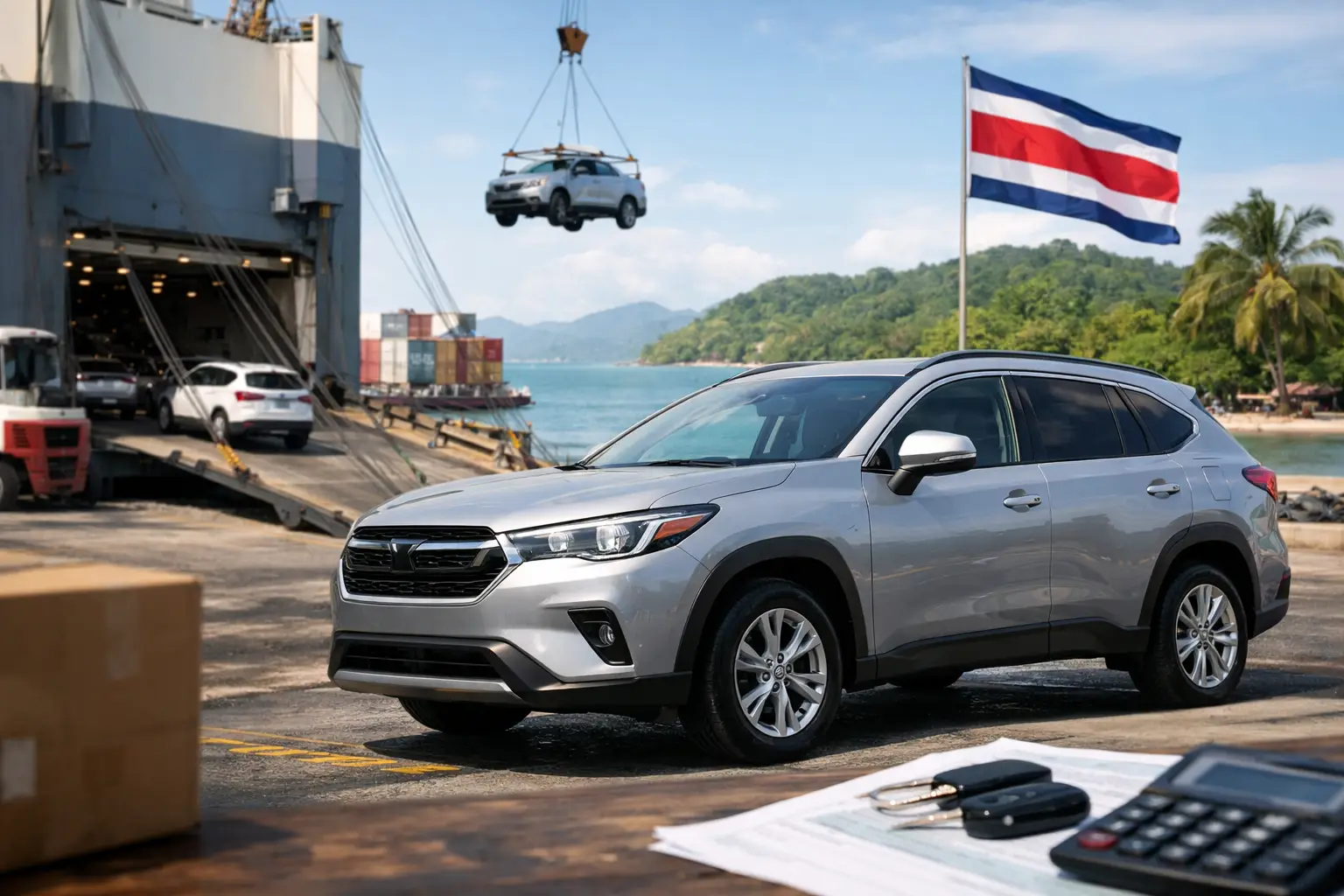
Is Costa Rica Vehicle Importation Worth It?
A familiar vehicle can make a move feel easier. You know its condition, its maintenance history, and whether it has room for visiting family or a large dog. But Costa Rica vehicle importation is rarely a simple matter of putting your car on a ship and picking it up at the port. By the time duties, customs procedures, registration, and local operating costs are included, an otherwise sensible decision can become an expensive surprise.
For some future residents, importing is the right choice. For many others, buying a vehicle already registered in Costa Rica is less complicated and may cost less overall. The key is to compare the full, road-ready cost before committing to shipping.
What Costa Rica Vehicle Importation Really Involves
A vehicle arriving from abroad must clear Costa Rican customs, meet applicable import requirements, and be registered locally before it can receive Costa Rican plates. This process normally involves a licensed customs broker, known locally as an agente aduanero, who prepares the customs declaration and coordinates the release of the vehicle.
The government does not simply rely on the price you paid at a dealership or from a private seller. Customs may use its own valuation methods when assessing the vehicle and calculating taxes. That is one reason a low purchase price does not always translate into a low import bill.
Import rules can also differ based on the vehicle's age, type, fuel source, condition, and intended use. Restrictions affecting older vehicles, commercial equipment, motorcycles, and damaged or salvage-title vehicles deserve special attention. Requirements and administrative procedures can change, so obtain current guidance before you buy a vehicle specifically for export.
Importing also takes time. Shipping schedules, port handling, customs review, payment processing, inspections, and registration are separate steps. If you need transportation immediately after landing in Costa Rica, plan for an alternative vehicle or rental while the process is underway.
The Biggest Cost: Taxes and Duties
Import taxes are usually the deciding factor. Costa Rica applies duties and taxes that can be substantial, often calculated from a customs value that includes more than the vehicle's original purchase price. Shipping, insurance, and other costs associated with bringing the vehicle to Costa Rica may affect the taxable amount.
The total is not one fixed percentage that applies to every car. A newer SUV, pickup, luxury model, hybrid, electric vehicle, motorcycle, or work vehicle may each be treated differently. Engine size, model year, and customs valuation can all affect the result. It is wise to request a written estimate based on the exact vehicle identification number, model, year, and shipping details rather than relying on a general online calculation.
Your budget should also account for costs beyond customs duties:
- International shipping, marine insurance, port charges, and storage if there is a delay.
- Customs broker fees, document preparation, translations, and professional assistance.
- Vehicle inspection, registration, license plates, and annual circulation charges.
- Mandatory insurance, optional coverage, maintenance, and future replacement parts.
A vehicle that appears less expensive in the United States or Canada can lose that advantage quickly after taxes and logistics. Conversely, a newer model with a clear history and features that are difficult to find locally may still justify the expense for the right owner.
Documents You Will Likely Need
Paperwork problems are among the most common reasons a vehicle is delayed at the port. The exact list depends on the transaction and shipping method, but owners commonly need the original title or ownership documents, a bill of sale or commercial invoice, the bill of lading, identification documents, and vehicle details such as the VIN, engine information, model year, and make.
If there is a lien on the vehicle, do not assume it can be exported. Written authorization from the lienholder may be necessary, and some lenders will not permit international shipment. A leased vehicle raises similar concerns. Resolve those issues before the car leaves its country of origin.
Names, VINs, dates, and ownership details must be consistent across every document. A small mismatch can create a larger problem once the vehicle is in Costa Rica and daily storage charges are accumulating. Depending on the paperwork, certified translations or legal authentication may also be needed. Keep originals secure and retain complete copies of everything submitted.
From the Port to Costa Rican Plates
Once the vehicle arrives, the customs broker handles the customs entry process and helps determine the duties due. After payment and release, the vehicle must complete the local steps required to operate legally. These generally include technical inspection, registration through the appropriate authorities, obtaining plates, and arranging the mandatory insurance and annual circulation payment known as marchamo.
Do not confuse temporary use of a foreign-plated vehicle with permanent importation. Visitors may be able to bring a vehicle into Costa Rica under a temporary import arrangement tied to their authorized stay. That is not a substitute for permanent registration, and it should not be treated as a long-term strategy for someone establishing residency. The conditions, renewals, and departure requirements can be strict.
For new residents, the timing of a vehicle shipment should be coordinated with residency plans, housing arrangements, and financial access in Costa Rica. You may have funds available for shipping but still need to pay customs duties, registration expenses, and insurance locally. Planning the cash flow is as important as choosing the vehicle.
When Importing May Make Sense
Importing can be reasonable when you own a relatively new vehicle with an excellent maintenance record, you understand the likely tax exposure, and the model has reliable service and parts support in Costa Rica. It can also make sense when you need a specialized vehicle for mobility, work, equipment transport, or family needs that is difficult to source locally.
There is also a personal factor. Some owners prefer a vehicle they know well over the uncertainty of purchasing used locally. That preference is valid, but it should be weighed against resale value. A model that is uncommon in Costa Rica can be harder to repair and harder to sell, even if it was popular in North America.
Before shipping, ask a practical question: if this car needed a major repair six months after arrival, could a qualified shop obtain the part without an extended wait or unusually high cost? Popular Japanese and Korean brands often have broad parts availability, but specific trims, engines, electronics, and specialty components may still be harder to find.
When Buying Locally Is Often Better
Buying a Costa Rican-plated vehicle avoids the import process, but it does not eliminate the need for careful due diligence. The local market can carry higher asking prices than buyers expect, especially for dependable four-wheel-drive vehicles. Still, the advertised price is usually much closer to your final cost than an overseas purchase subject to import duties.
A local purchase can also be faster. You can inspect the vehicle in person, arrange a pre-purchase mechanical review, confirm that the seller is the registered owner, and verify that marchamo, inspections, and any outstanding obligations are current. Never rely only on a verbal assurance that a vehicle is free of liens or legal issues.
A Costa Rican attorney or qualified professional can help review the transfer and registration process. ARCR can also help new residents coordinate the broader move, including documentation, residency matters, insurance access, and the local administrative steps that often overlap with a vehicle decision.
Make the Decision Before You Ship
The best time to evaluate an import is before the vehicle is loaded. Share the exact VIN and full vehicle description with a qualified customs professional, request a realistic estimate of duties and fees, and compare that number with similar vehicles already available in Costa Rica. Factor in the value of your time, the possibility of delays, and the availability of parts and service where you plan to live.
A vehicle should support your new life, not become the first major administrative burden of it. With accurate information and local guidance before shipment, you can choose the option that fits your budget, driving needs, and long-term plans with greater confidence.