





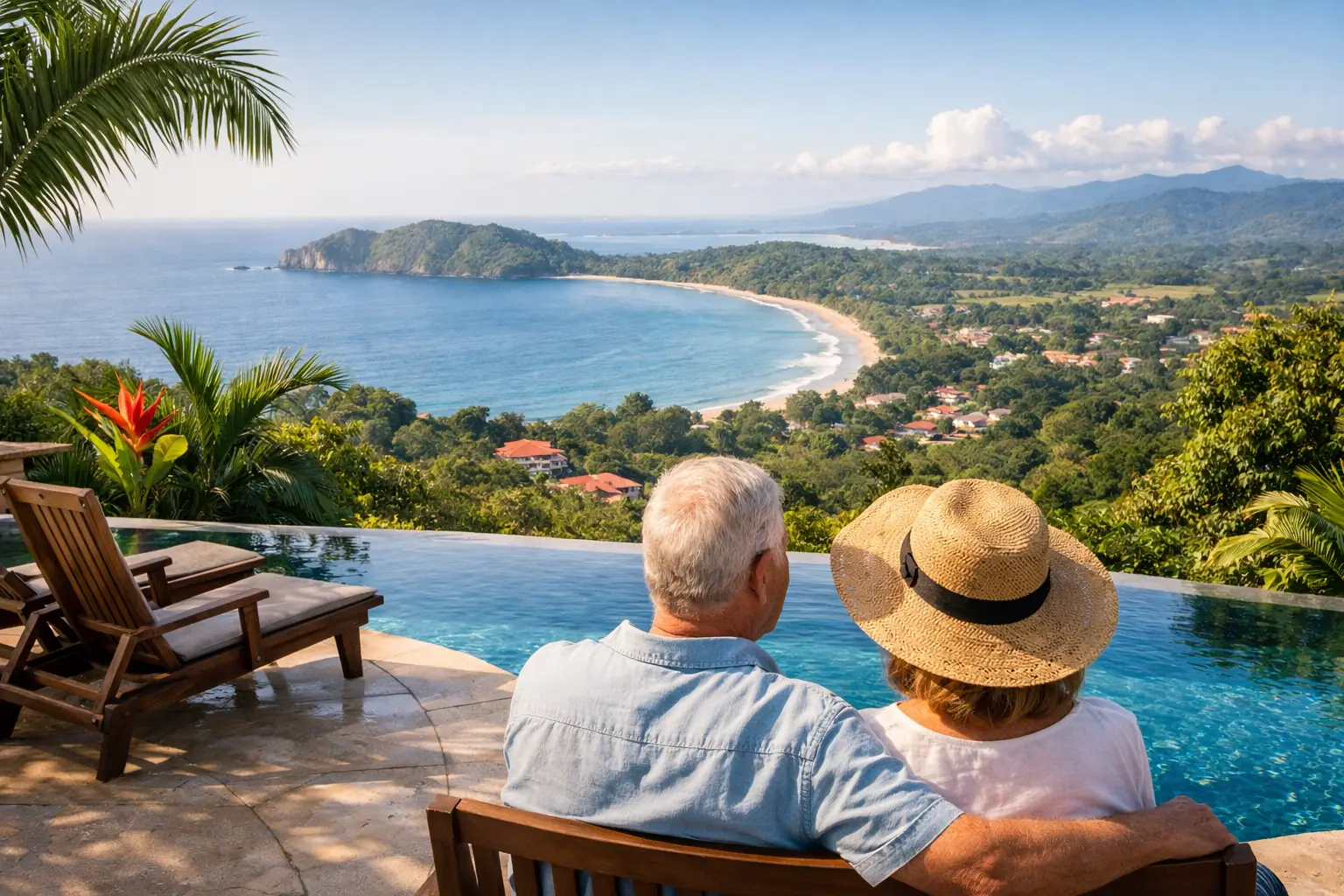
Best Areas for Retirees in Costa Rica to Live
A retirement home in Costa Rica is not simply a choice between mountains and beaches. The best areas for retirees in Costa Rica depend on how often you expect to need medical care, whether you want a car, how much heat and rain you enjoy, and how connected you want to feel to an English-speaking community.
Many newcomers begin with a favorite vacation memory, then realize that daily life asks different questions. Grocery shopping, banking, appointments, road conditions, internet reliability, and distance from the airport can matter more than a postcard view. The right location is the one that makes ordinary life comfortable.
The Central Valley: Convenience, Climate, and Services
For many retirees, the Central Valley offers the easiest transition to living in Costa Rica. This broad highland region includes San José and surrounding communities such as Escazú, Santa Ana, Grecia, Atenas, Heredia, and the eastern suburbs. Elevation gives many areas a spring-like climate, although temperatures and rainfall vary considerably from town to town.
The greatest advantage is access. Major private hospitals, specialists, international schools, supermarkets, government offices, banks, and the Juan Santamaría International Airport are all within reasonable reach from much of the valley. For retirees managing an ongoing health condition or simply wanting more choices, that convenience can be reassuring.
Escazú and Santa Ana
Escazú and Santa Ana are popular with foreign residents who want modern conveniences close at hand. You will find established residential neighborhoods, condominium communities, restaurants, shopping centers, and private medical services. English is commonly heard in many businesses, though learning Spanish remains valuable for daily life and building local relationships.
These areas are not the least expensive option. Housing costs can be higher, traffic can be frustrating, and some neighborhoods feel more urban than retirees expect. Still, for those who prioritize nearby services and an active social calendar, the trade-off is often worthwhile.
Grecia and Atenas
Grecia and Atenas appeal to retirees seeking a slower pace while staying within reach of Central Valley services. Both have long attracted international residents, and each has a recognizable town center, local markets, and a more relaxed feel than the western suburbs of San José.
Atenas is often chosen for its comparatively warm, dry weather. Grecia is generally greener and can feel cooler, especially in outlying areas. Before choosing either, visit properties at different times of day. A home five miles outside town may have a very different road, microclimate, and driving time than the listing suggests.
Lake Arenal: Scenic Living With a Smaller-Town Rhythm
The Lake Arenal area, including Nuevo Arenal, Tilarán, and the communities near the lake, is a strong fit for retirees who value green scenery, outdoor living, and a quieter routine. The area has an established expat presence, and residents often appreciate the friendly, informal character of the community.
The trade-off is distance. Healthcare, shopping, and government errands may require more planning, and weather can be wet and windy, particularly in certain lakefront locations. This is a place to consider if you are comfortable with a more independent lifestyle and do not need frequent access to a major city.
For some retirees, Lake Arenal is ideal after residency and household logistics are already settled. For others, it can feel isolated during the first year in the country. A longer rental before buying is especially helpful here.
The Nicoya Peninsula: Beach Life With Real Considerations
The Nicoya Peninsula attracts retirees looking for sun, beaches, and a casual coastal atmosphere. Towns and nearby communities around Tamarindo, Playa Flamingo, Potrero, Samara, and Nosara offer distinct versions of Pacific Coast living. The dry season is sunny and social, while the green season brings heavier rain, fewer visitors, and a quieter pace.
Tamarindo and nearby beach communities provide restaurants, services, and a large international population. They can be convenient for people who enjoy an active lifestyle and want easy access to other newcomers. They are also among the more expensive coastal choices, particularly for homes close to the beach.
Samara tends to attract retirees looking for a smaller-scale town with a relaxed community feel. Nosara is known for wellness-oriented living and natural beauty, but prices can be high and roads or local conditions may not suit everyone. Across the peninsula, heat, water availability, seasonal dust, and travel time to hospitals deserve serious consideration.
Beach living is rewarding, but it is not automatically simple. Salt air affects vehicles and appliances. Rainy-season roads can change quickly. If you intend to live there year-round, spend time there in both the dry and wet seasons before making a long-term commitment.
The Central Pacific: Coastal Access Without Full Isolation
The Central Pacific, including Jacó, Herradura, and the area around Manuel Antonio and Quepos, can offer a middle ground. These communities provide beach access while remaining more connected to the Central Valley than many locations farther north or south.
Jacó and Herradura have extensive services, grocery options, restaurants, and a mix of Costa Rican and international residents. The area is practical for retirees who want a coastal home but still expect regular trips to San José or the airport. However, Jacó's busy atmosphere is not for everyone, and prospective residents should explore neighborhoods beyond the main commercial areas.
Manuel Antonio and Quepos offer dramatic scenery, lush vegetation, and a more tropical feel. They also receive substantial tourism, which can affect traffic, rental availability, and prices. Retirees seeking peace should look carefully at a property's proximity to hotels, vacation rentals, and nightlife.
The Southern Zone: For Retirees Who Want Space and Nature
Dominical, Uvita, Ojochal, and nearby Southern Zone communities have become well known among retirees seeking privacy, tropical landscapes, and a less developed environment. This region can be an excellent choice for people who are comfortable driving, enjoy nature, and do not need city amenities every day.
The Southern Zone is diverse. Ojochal has a sizable international community and a reputation for dining and residential development. Uvita offers beaches, services, and growing infrastructure. Dominical has a more bohemian, surf-oriented personality. None should be treated as interchangeable.
The appeal comes with practical responsibilities. Properties may rely on wells, septic systems, unpaved roads, or more complex maintenance. Humidity is high, rain can be intense, and specialist medical care is farther away. Due diligence on access, drainage, utilities, title, and building conditions is essential before purchasing.
How to Choose Among Costa Rica's Best Retirement Areas
Rather than asking which town is objectively best, start with the life you need to support. Retirees who want frequent medical access may be happiest in or near the Central Valley. Those who want warm weather and a social coastal setting may prefer the Nicoya Peninsula or Central Pacific. People seeking space, nature, and a slower rhythm may find the Southern Zone or Lake Arenal more appealing.
Plan at least one extended visit before purchasing property. Rent in the area you are considering, drive the routes you would use for errands, visit a clinic or hospital, and speak with year-round residents. Ask about water service, internet, road maintenance, security, homeowner association fees, and rainy-season conditions. A neighborhood that feels perfect for a week can feel very different after several months.
It also helps to separate lifestyle decisions from legal and administrative decisions. Residency status, health insurance options, vehicle ownership, banking, and property purchases each have their own requirements. ARCR has spent more than 30 years helping foreign residents understand these processes so they can make location decisions with better information and fewer surprises.
Costa Rica has room for many kinds of retirement, from a walkable Central Valley neighborhood to a quiet home above the Pacific. Give yourself time to experience a place as a resident, not a visitor. The best choice is usually the community that leaves you feeling capable, connected, and comfortable on an ordinary Tuesday morning.